All the nutrients the unborn child needs are supplied by the mother during pregnancy. The baby will weigh about seven pounds at birth. The baby`s life-support system consisting of the placenta, uterus, membranes, fluid and maternal blood volume also grows during pregnancy, facilitating the growth of the fetus. Your body also gets ready to give birth and nourish the baby through breastfeeding. Your pregnancy may de-plete you of important nutrients if you do not nourish yourself adequately. All these added demands require that you develop a good eating habit.
You need about 300 calories per day more than you did when you were not pregnant. These amounts to a total of about 2.100 to 2.400 calories per day .These additional calories should come from high protein, high calcium and iron rich foods. Three hundred calories is not much actually. It could be obtained from 2 tall glasses of milk or a bowl of hearty soup, a serving of meat or fish. Do not add lots of high calorie non nutritious food such as cakes or dessert.
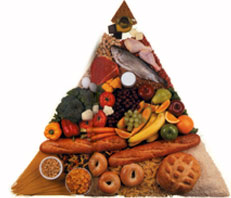
 A good daily pregnancy diet should consist of a variety of food containing plenty of fresh fruits and vegetables, whole grains, dairy products, pro-tein foods (such as meat, fish, nuts, eggs, and legumes), some fat and about two quarts of fluid a day.
To get enough nutrients, pregnant women should take a multivitamin and eat healthy foods from the four basic food groups everyday including:
 Fruits and Vegetables - Pregnant women should try to eat 7 or more servings of fruits and vegetables combined (for example: 3 servings of fruit and 4 of vegetables) daily. Fruits and vegetables are rich sources of fiber, vitamins and minerals. Fruits and vegetables also contain vitamin C which will help you and your baby to have healthy gums and other tissues. Vitamin C also helps your body to heal wounds and to absorb iron. Examples of fruits and vegetables with vitamin C include strawberries, melons, lemons, oranges, papaya, tomatoes, peppers, greens, cabbage, and broccoli. Fruits and vegetables also add fiber and minerals to your diet to give you energy. Plus, dark green vegetables have vitamin A, iron, and folate, which are important nutrients during pregnancy.
One Serving Fruit = 1 medium apple, 1 medium banana, 1/2 cup of chopped fruit, 3/4 cup of fruit juice One Serving Vegetable = 1 cup raw leafy vegetables, 1/2 cup of other vegetables (raw or cooked), 3/4 cup vegetable juice.
Whole-grains or Enriched Breads/Cereals - Pregnant women should eat 6 to 9 servings of whole-grain or enriched breads and/or cereals every day.
Whole-grain products and enriched products like bread, rice, pasta, and breakfast cereals contain iron, B vitamins, minerals, and fiber. Folic acid has been shown to help prevent some serious birth defects. Eating breakfast cereals and other enriched grain products that contain folic acid is important before and during pregnancy.
One Serving Cereal/Bread = 1 slice bread, 1/2 cup of cooked cereal, rice, or pasta, 1 cup ready-to-eat cereal
Dairy Products - Pregnant women should try to eat 4 or more servings of low-fat or non-fat milk, yogurt, cheese or other dairy products every day. Dairy products provide the calcium you and your baby need for strong bones and teeth. Dairy products are also great sources of vitamin A and D, protein, and B vitamins. Vitamin A helps growth, fight infection, and vision. Pregnant women need 1,000 milligrams (mg) of calcium each day. Other sources of calcium include dark green leafy vegetables, dried beans and peas, nuts and seeds, and tofu.
 One Serving Dairy = 1 cup of milk or yogurt, 1 1/2 oz. natural cheese, 2 oz. processed cheese.
Proteins - Pregnant women and their growing babies need 10 grams of protein more than non-pregnant women. Pregnant women should eat 60 grams of protein every day.
Two or more 2-3 ounce servings of cooked lean meat, fish, or poultry without skin, or two or more 1 ounce servings of cooked meat contain about 60 grams of protein. Eggs, nuts, dried beans, and peas also are good sources of protein.
Protein builds muscle, tissue, enzymes, hormones, and antibodies for you and your baby. Protein-rich foods also have B vitamins and iron important for your blood.
One Serving Protein = 2-3oz. of cooked lean meat, poultry, or fish, 1 oz. meat also = 1/2 cup cooked dried beans, 1 egg, 1/2 cup tofu, 1/3 cup nuts, 2 T. peanut butter.
Folic acid: Pregnant women need 400 micrograms (400 mcg) of folic acid every day to help prevent birth defects. Folic acid is a B vitamin that helps prevent serious birth defects of a baby`s brain or spine called neural tube defects. Getting enough folic acid can also help prevent birth defects like cleft lip and congenital heart disease.
An easy way to get enough folic acid is to take a multivitamin every day. Orange juice, spinach and legumes are also good sources of folic acid.
Iron: Pregnant women need twice as much iron - 30 mg per day - than other women. Pregnant women should also eat lots of iron-rich foods. Some good sources of iron include lean red meat, fish, poultry, dried fruits, whole-grain breads, and iron-fortified cereals.
Pregnant women need extra iron for the increased amount of blood in their bodies. Iron helps keep your blood healthy. Plus, your baby will store iron in his body to last through the first few months of life.
Too little iron can lead to a condition called anemia. If you have anemia, you might look pale and feel very tired. If your doctor finds that you have anemia, she will give you a special iron supplements to be taken once or twice a day.
Calcium: Pregnant women aged 19 to 50 years should get 1,000 mg/day of calcium. Younger pregnant women need even more - 1300 mg/day. Low-fat or non-fat milk, yogurt, cheese or other dairy products are great sources of calcium. Eating green leafy vegetables and calcium-fortified foods like orange juice and breakfast cereal can also provide calcium. If your diet is does not provide you with 1,000 mg/day of calcium, talk to your doctor about taking a calcium supplement.
Water: Pregnant women should drink at least six eight-ounce glasses of water per day. Water plays a key role in your diet during pregnancy. It carries the nutrients from the food you eat to your baby. It also helps prevent constipation, hemorrhoids, and excessive swelling, and urinary tract or bladder infections. Drinking enough water, especially in your last trimester, prevents you from becoming dehydrated. Not getting enough water can lead to premature or early labor.
Food Groups
Food can be classified into four basic groups:
1. Dairy products
2. Meat and protein foods
3. Fruits and vegetables
4. Breads and cereals
However, you may not get all the necessary nutrients even if you consume food from the above groups. Further sorting of foods is necessary to cover all the necessary nutrients.
Hence, food items are further sorted into seven basic groups:
1. Dairy products
2. Eggs and meat
3. Green and yellow vegetables
4. Citrus fruits and vitamin C-rich foods
5. Potatoes and other vegetables and fruits
6. Grain products
7. Fats
Two other food categories are also important:
8.liquids
9. sugar
Pregnant women should drink about eight cups of liquid per day. The body has no requirement for sugar foods. Excessive intake of sugary food may cause excessive weight gain, and also it may take the place of nourishing foods.
Nutrients & Vitamins
Some nutrients however deserve special mention for their particu-lar importance in pregnancy.
Protein
Protein is the basic ingredient of a cell. Your protein requirements increase by about 60 percent over your normal requirement, in the period of rapid growth of the unborn baby and its support system (placenta, uterus, volume of blood and amniotic fluid).
Calcium
Mineralization of the fetal skeleton and teeth is promoted by calcium. The fetus requires approximately 66 percent more cal-cium than normal during the last trimester, when the teeth are forming and skeletal growth is most rapid. You will store Calcium in your bones as a reserve for later milk produc-tion.
Iron
Iron is a major component of hemoglobin, the oxygen-carrying protein in the blood. , During pregnancy the maternal blood vol-ume increases by 50 percent, so there is increased demand of hemoglobin and the other components of blood. On top of it the fetus, during the last six weeks of pregnancy, accumulates enough iron in her liver to supple-ment her needs for the first three to six months of life. This is nature`s way of ensuring that the baby gets enough iron, since the main food during that period being breast milk or formula food, only partially fulfills an infant`s iron require-ments. A healthy person is able to absorb about 5 to 10 percent of the iron he ingests. The National Research Council`s Commit-tee on Maternal Nutrition recommends thirty to sixty milligrams of iron supplement daily to ensure absorption of the iron needed each day.
Though iron is a major component for good nutrition, it is known to upset the digestive tracts in many people. The side effects like nausea, heartburn, diarrhea, or constipation-are related to the amount of elemental iron ingested and how an individual reacts to the iron supplement and not to the type of preparation. That is to say it does not matter if you take ferrous sulfate, ferrous fumerate, or ferrous gluconate than how much iron you take at a time. To relieve the unwanted side effects, your physician may advice you to decrease the dosage or ingest it with food.
Eat foods that are rich in iron content, like liver and other organ meats, red meat, egg yolk, dried fruit, apple juices, dried peas, spinach lentils, spinach, beans and back-strap molasses and walnuts. Absorption is easiest when it is taken in natural form.
Vitamins
Life functions are impaired in the absence of vitamins. They are classified by their solubility: Water soluble vitamins like C and B complex and fat soluble vitamins like A, D, E, and K. Cooking destroys the vitamin content of the water soluble ones. Foods high in these vitamins should preferably be eaten raw or cooked briefly in little water, steamed or stir fried.
Folic acid is a water-soluble vitamin in the B-complex group. Folic acid is essential for the normal growth of all cells. RNA & DNA synthesis cannot take place in the absence of folic acid. Hence the requirement for folic acid doubles during pregnancy. The usual recommendation is a daily supplement of 400 micrograms during pregnancy. The supplement needs to be maintained as folic acid is destroyed by long storage and overcooking.
To make sure that you get all the essential vitamins and minerals, you must eat a varied diet. Your supplements should be augmented from your prime source that is from food itself. Vitamin preparations contain only some of the essential nutrients that have been identified and there are undoubtedly some essential nutrients that have not yet been discovered or whose functions are not yet fully understood.
Common Concerns
Due to changes in hormone production and the increased size and weight of the uterus, some common nutrition related problems arise during pregnancy. We will discuss some causes of and treatments for these ailments
Nausea and Vomiting
 Nausea and vomiting are sometimes referred to as "morning sickness" though usually not restricted to morning only. Pregnant women frequently feel nauseated and need to vomit when they are on an empty stomach, or they smell certain odors, like that of cigar. Smell especially triggers these attacks. The cause may vary from person to person but the problem remains the same.
You may think that your baby`s health will be affected if you vomit frequently as vomiting may deplete you of nutrition. Be reassured that recent studies indicate that women, who are healthy at conception, have enough reserves to supply the growing embryo and fetus, even if they eat poorly for the first two or three months. Another study indicates that the pre-sence of nausea is associated with a favorable pregnancy out-come.
Nausea is neither abnormal nor a sign of uncon-scious rejection of the baby as is sometimes suggested. Nausea is probably related to the increased production of twenty six hormones, added to the four other hormones produced only during pregnancy. Some of these hormones act to delay the emptying of the stomach. While others, when present in large quantities, upsets the body and the body takes time to adjust.
Treatment
You need to change your eating habits. You will have to eat several (five or six) small meals a day to avoid an empty stomach. Some protein should be included in each of these meals. Eating toast or crackers before getting up in the morning is helpful to some women. It is advisable to have your breakfast in bed in the morning. Drinking liquids between meals instead of during meals is also often beneficial.
Increased consumption of Vitamin B6 (Pyridoxine) helps some women. You do that by eating more foods high in this vitamin (whole grains and cereals, wheat germ, nuts, seeds, legumes, corn). You can discuss with your physician whether you should take vitamin B6 supplements. You should not self medicate during pregnancy.
You have to bear with it for three to four months. Have a sense of humor. Do not make throwing up a part of the morning schedule. Take it as it comes..
Sometimes, nausea can become so severe that a woman actually becomes dehydrated and lose a great deal of weight by being unable to hold any food down. This condition is called hyperemesis gravidarum. This condition may necessitate medica-tion or even hospitalization if the nausea and vomiting en-danger either the mother or the baby`s health.
Medications relieve the symptoms of nausea and vomit-ing. They are prescribed either when the nausea and vomiting are so severe that it may cause dehydration or more commonly, the woman is upset or inconvenienced and requests medication. You should understand that these medications cross the placenta to the fetus and that they are never guaranteed to cure you of the symptom. These medicines are not safe for the unborn child. Since these are used during the formative stage of the fetus. It would be wise to not use them. Until recently, Bendectin was widely used. Researchers found out that there is an association between Bendectin and birth defects (cleft palate and heart deformities)
Heartburn
 Heartburn is a feeling of fullness with some regurgitation of acid from the stomach. It is more prevalent in late pregnancy. The hormones relax the muscular opening at the top of the stomach and cause the stomach to empty more slowly. Added to this is the increased pressure from the growing uterus. Fatty foods and large meals may also contribute to the condition.
Treatment
Avoid fatty food and gas producing foods. Eat several small meals instead of a few large ones through the day. Some women find that eating slowly and keeping a gap between the last meal and bedtime also help reduce heartburn. . Antacids or other drugs are sometimes used to control heartburn. They should be used only if necessary. Be aware of the undesirable side effects.
Constipation
 During pregnancy, food passes through the intestines very slowly. Though this causes better absorption of nu-trients and water, it also tends to cause constipation. The growing uterus puts pressure on the large intestine magnifying the problem.
Treatment
Drink plenty of fluids and eat foods with high-fiber content (raw or dried fruits and vegetables, whole grains and prune juice) which encourage elimination. Exercise regularly. Exercise is an often neglected but ef-fective aid to regularity. Laxatives can and should be avoided.
Exercise and proper diet helps to relieve of the condition. Preventing constipation will also reduce the severity of discomfort of hemorrhoids, another common problem during pregnancy, |
| | | | | | | | | | | | | | | | | | | | | | | | | | | |





 To increase the chances of a healthy baby, it is best to avoid all toxic substances. In women, alcohol is at its most dangerous in the earliest stages of pregnancy when foetal cells are dividing very rapidly. Unfortunately, this is when a woman is least likely to be aware of her pregnancy. It is therefore safest for women to avoid alcohol from the moment conception is planned.
 Women who smoke have a higher risk of miscarrying and of their baby being underweight or even having a birth defect. But if a woman is an addictive smoker, her doctor may advise that the stress caused by trying to give up during pregnancy would be more harmful to her and her baby's well-being than continuing to smoke a few cigarettes. In these circumstances, pregnant women may find it useful to go to an anti-smoking organisation which helps people to give up.
 DIET DURING
 Some studies suggest that caffeine (in coffee, tea and chocolate) should be restricted but many doctors advise that moderate amounts are harmless.
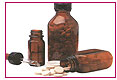 Multivitamin and Mineral


 Multiple pregnancies

 Milk intolerance may lead to calcium deficiency. Try cultured forms of milk such as acidophilus milk and yogurt, which are often well tol-erated by people who are not able to digest milk.. Alternatively eat other foods high in calcium, such as, cheese, whole grains vegetables, egg yolk and whole canned fish. If you simply do not like the taste of milk try cooking with dry powdered milk or eating cream soups. These alternatives will give you the benefits of milk without its taste. If you are unable to meet your requirements through your diet, you may need calcium supplements .Your physician will offer you the best advice in this matter.
 Until the mid-l970s, it was believed that alcohol was harmless to the fetus. The assumption was that alcohol, by itself, even if consumed in large quantity by the pregnant woman, will not harm the fetus. Alcoholism was felt to be a problem because an al-coholic pregnant woman might tend to neglect her diet resulting in malnutrition in the fetus. We now know that alcohol has a direct toxic effect on the developing fetus. Alcohol quickly crosses the placenta and enters the fetus` blood in the same concentration as in the mother`s blood. Babies born of alcoholic mothers are at substantial risk for suffering from Fetal Alcohol Syndrome, a cluster of disabilities that in-cludes mental and physical retardation, tremors, and peculiar facial characteristics.
 The adverse effect of Tobacco smoking has been explored in detail. It is recommended that if you have the habit of smoking, you should cut down, if not stop altogether, your smoking before you plan to become pregnant.
 You will find caffeine in Coffee, tea, colas and other soft drinks (read the labels). Choco-late and some over-the-counter drugs contain caffeine. It has been found in some animal studies that caffeine con-sumption resulted in certain birth defects. While, another study in humans found that drinking coffee leads to abortion, stillbirth, prema-ture delivery, and low birth weight. The added effect of smoking has not been considered here. As many people who drink excessive amounts of coffee also smoke, it is difficult to distinguish the real cause of the problem. A study of over 12,000 women who had babies in a three-year period found that birth problems were more common among heavy coffee drinkers (those who consume more than four cups per day). When, the only coffee drinkers were eliminated from the heavy smokers who also drank coffee the ill effects disappeared. You might be reassured with this finding, if you are a coffee drinker, but "pru-dent and protective" expectant mothers should limit caffeine use.
 Hundreds of herbs are available commercially as herbal teas. Herbal teas are said to have various curative or restorative properties, helpful for most discomforts. However, their effects on the fetus are not well studied. The active ingredients of the herbal teas that produce the benefits have not been properly identified. Herbs are also known to cause undesirable side effects in some adults. For instance, teas made from juniper berries, buckthorn bark, senna leaves, duck roots and aloe can irritate the stomach and intestinal tract, sometimes severely. Drinking camomile tea can trigger allergic reactions in some people allergic to rag-weed and related plants. A popular ingredient of tea -licorice root, if used in large quantities, leads to water retention and loss of potassium.
 Drugs such as aspirin, acetaminophen, sedatives and tran-quilizers, antihistamines, antacids and antiemetics (to control nausea and vomiting) are widely used during pregnancy. These drugs do relieve the symptoms such as pain, headache, nervousness, sleeplessness, runny nose, heartburn and nausea. However, they do not cure the illness. Medications, such as an-tibiotics, insulin and steroids either cure or control an illness. The benefits of these drugs are surely greater than those drugs that merely relieve symptoms. Medication is advisable only when the benefits greatly outweigh the potential risks. Your parents, physician will advise you on the judicious intake of medications.
 One tablet of aspirin is enough to alter the body`s ability to clot blood and prolong the bleeding time. The usual adult dose is two tablets, which will double the bleeding time. The effect of aspirin lasts from four to seven days after a single dose. Aspirin, taken towards the end of pregnancy, is more harmful be-cause normal bleeding after birth may be increased and pro-longed. It is not safe either to take aspirin even earlier in pregnancy, as it could worsen any bleeding you have during your preg-nancy.
 Acetaminophen is potentially less harmful than aspirin. The moderate use of acetaminophen does not adversely affect the fetus. The consistent use of more than the recommended dosage would lead to kidney damage in the fetus. If you normally tolerate acetaminophen well, it would be advisable to use acetaminophen in modera-tion rather than aspirin and only if you really need a pain or fever medi-cation during pregnancy.
 Headache
 Backache