


Widgets


facebook twitter weibo
Register Logout Forget Password

懷孕,每一位女性最期待、最渴盼的幸福時光,擁有一生中最驕傲、最美麗的曲線。 當獲知自己體內有一個小生命開始孕育的那個時刻起,一種由衷而生的激情,一種莊嚴神聖的感覺便會湧上心頭。從此,心頭上有了一份牽掛,生活中有了一種希冀。從此,身體的每一根神經都牽掛于那個在肚子裡慢慢成長的神奇生命。懷孕女人的內心,驚喜和驚愕同在 — 驚喜于一個生命的到來,驚愕于對自己身體的無知。在這美麗動人的 40 周歷程中,相伴准媽媽的不僅是將為人母的喜悅和驕傲,還有很多麻煩和疑慮時時在困擾。怎樣輕鬆、平安、順利地走過孕育小寶貝的生命歷程?這是每一位將為人母者所迫切想知道的。嬌姐伴隨准媽媽從妊娠第一周到最後一周。告訴准媽媽自身的變化、胎兒的生長髮育、准媽媽的日常飲食營養以及在生活中應該注意的事項,全方位細心呵護准媽媽和寶寶一起成長的每一天,伴隨准媽媽和寶寶在妊娠中的每一分鐘。 嬌姐將告訴准媽媽在孕期中不知道的、想知道的、應該知道的一切,打消您在孕育過程中的全部顧慮,使您輕鬆愉快地度過一段奇妙之旅。相信從懷孕到初為人母的這段經歷必將成為您一生中最美妙的回憶。 不一樣的孕育,不一樣的未來! GITZEL GIULITTE FACEBOOK 專頁,同時會有好多各形各色的資訊從中西醫護到格價 和8卦 0野睇嫁任妳選擇, 你一定唔會覺得悶呢 !.... 如果讀者對嬌姐部落格blog尚算滿意, 懇請大家高抬貴手,幫幫手按 LIKE 同時分享比你嘅朋友; 嬌姐從事陪月多年, 擁有各前僱主的推薦信,推薦信內容同時可為閣下提供愚蒙在性格特徵​​技能上的側寫作為參考,可讓閣下作出評估 ,希望取得共識和合作機會。丞蒙閣下賞識與敝人聯絡面談, 定會是敝人的榮幸 。OUR WEBSITE : http://tiny.cc/gitzelgiu PLEASE HELP AND SHARE GITZEL GIULIETTE 。 唔該晒. 嬌姐支持要求政府維護本港醫療、福利及教育資源 。 祝妳快樂!歲歲平安,安居樂業。業和邦興,興旺發達。大吉大利。遊刃有餘,青春永駐。嬌陪月團隊專線 +852-61596793 ! Start | Stop
懷孕 (91) 孕期 (97) 孕初期 孕中期 (31) 孕晚期 (50) 注意項 (124) 分娩 (13)坐月 (46) 孕期检查 (26) confinement recipes (30) 孕前準備 (62)
寶寶 (50) 寶寶照顧 (81) 育兒百寶箱 (70) 親子 (38) Chinese Medicine (18) ADHD (28) 母乳餵養 (3) 人工受孕 (4)食譜 (237)
TOOLS
fertility tools Track ovulation with our fertility chart Find your fertile days with our ovulation calculator Create a TTC ticker and count down to ovulationDue Date Calculator
Pregnancy Tools Create a personalized pregnancy ticker. Track your contractions with our contraction counter. From poppyseed to papaya, watch baby grow! Pregnancy Weight Gain Tracker
大肚婆完美懷孕[月] BALLPOINT CHECKLIST 準媽媽的40週 [週 ] BALLPOINT CHECKLIST 注意事項 : 懷孕期40周280 天 25 孕期檢查項目 CHECKLIST
胎兒 280天 孕婦必備分娩寶典 新生嬰兒必備用品清單 1 TAKE 孕期營養補充品 CHECKLIST


產前講座課堂
產前概述總覽 初生嬰兒護理及奶瓶餵飼 產前及產後飲食與營養 產前孕婦運動 產後護理、健康、情緒轉變、母乳哺飼及月子

Loading


顯示具有 Pregnancy 標籤的文章。 顯示所有文章

2012年11月3日 星期六

When Your Water Breaks Before Labor Begins

    Scroll Page | Stop Scrolling
-->


When the water breaks before the onset of labor this is called premature rupture of membranes (PROM). PROM occurs in 8-10% of term (37 weeks+) pregnancies. Of those, 90% will begin labor within 48 hours.  Unless you or your baby is in some kind of danger or you are showing signs of infection, there is no reason to speed up this process.  Many mainstream pregnancy books and most OB’s  will tell you to go straight to the hospital and what we see in movies confirms that but you actually increase your risk of infection by doing that because the first thing that happens when you arrive is usually a vaginal exam.

Interestingly enough, the recommendations are to avoid digital (finger) vaginal exams but anyone who has had a hospital birth knows that this is the first thing that happens  upon admission.

Vaginal exams push bacteria up past the cervix. Fluids in the vagina flow downstream and the only way they will back track is if they are pushed back. In a hospital setting it is not uncommon to have a vaginal check hourly or even more frequently and by several different people. Every time a vaginal exam is performed the infection risk is increased.  It simply is not a beneficial procedure contrary to popular belief in our society. Even with clean hands and sterile gloves, bacteria on the external of the vagina are introduced internally. This is especially an issue for GBS+ women.  When it really comes down to it, vaginal exams tell us nothing because dilation and effacement of the cervix really are not a good indicator of when a baby will be born. I had a client who has two centimeters and 50% effaced the morning of  40 weeks and 5 days. She was not in labor that morning.  She had her baby that night. Labor can progress quickly and examining the cervix is a rough estimate at best.

Another problem with going straight to the hospital when the water breaks is that hospital policy often puts time limits on the labor. Because of the increased risk of infection due to multiple vaginal exams, many hospitals will either being speeding up labor  immediately with pitocin. Some hospitals will give the mom 12 hours for labor to spontaneously begin and a few will give the mom 24 hours.  Some doctors even begin the c section scare tactics immediately. The problem with this is that creates performance pressure and if the mom is unable  to relax, often times labor will not begin or it will stall.  Once these interventions begin, the risk of infection increases and the risk of c section increases dramatically.

There is also the myth of ‘dry birth’ that is simply  not true because the body continues to make amniotic fluid which in turn will continue to leak but by no means leaves the amniotic sac and baby dry.  Because of this ‘dry birth’ myth, women are often times told that they must lay in bed and not move around so that fluid doesn’t continue to leak out. This is counterproductive as gravity is necessary to help the baby rotate and move into the pelvis and movement helps facilitate labor.

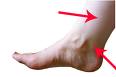
So, what do you do if your water breaks and you are not having contractions? First, check the color. If it is clear it is normal. If it is yellowish to dark brown or green, it could be meconium and you may want to call your care provider. Otherwise,  wait.  Like I said previously, 90% will begin labor in 48 hours.  Don’t put anything into the vagina, don’t check your own cervix, don’t have sex. Try to stimulate labor. There are many things you can do to help the process along. Take a walk. Cuddle with your partner as getting touchy feely releases oxytocin, the hormone responsible for causing contractions. This is also the reason that nipple stimulation works. Nipple stimulation triggers oxytocin.Also, the use of acupressure can trigger labor. There are two pressure points on the body that help stimulate contractions.
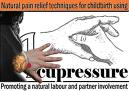
This provides pain relief as well as uterine stimulation

This provides uterine stimulation
When using pressure points, search for the area indicated in the pictures. They will feel like a bruise when pressed. Apply steady pressure to these areas for 30 second to a minute. Alternate between the pressure points. Pay attention as these pressure points can actually hyperstimulate the uterus.
 
Here is a video that helps clarify how to to use acupressure for labor induction but also comfort techniques for late stage pregnancy… 
 
Lastly, while waiting, relax. Take a warm bath, it is ok to do even if the water has broken. Get a massage. The ability to relax can help labor to begin naturally. If you are worried about infection, monitor yourself. Take your temperature and watch for foul smelling discharge from the vagina.
 
There have been studies done on PROM and infection risk and Henci Goer, author of  The Thinking Woman’s Guide to a Better Birth, has written an article that discusses these studies and the flaws involved. I am including this study below:


When Research is Flawed:
Should Labor Be Induced Immediately
with Term Prelabor Rupture of Membranes?


Commentary on: Hannah, M. E., Ohlsson, A., Farine, D., Hewson, S. A., Hodnett, E. D., Myhr, T. L., et al. (1996). Induction of labor compared with expectant management for prelabor rupture of the membranes at term. TermPROM study group. N Engl J Med, 334(16), 1005-1010. [Abstract]

Study design and results: multicenter, multinational randomized controlled trial in developed countries of 5041 women with confirmed PROM at ≥ 37 completed weeks of gestation. Women were not in active labor, had a singleton fetus in cephalic presentation, and had no contraindication to trial participation.
Investigators randomly allocated trial participants to one of four groups: (1) immediate induction with oxytocin, (2) expectant management for 4 days before oxytocin induction or until an indication for induction developed, (3) immediate induction with prostaglandin E2 (PGE2) followed by oxytocin if necessary, or (4) expectant management for 4 days before PGE2 induction or until an indication for induction developed.
  • Selected background information [Note: These represent ranges in rates reported among the 4 study groups. No significant differences across groups were detected for any of the following:]
    • vaginal exam at trial admission: 35-39% digital, 64-67% speculum
    • number of digital vaginal exams: 49-63% had ≥ 4
    • Group B strep (GBS) status: 9-12% tested positive for GBS
    • median time to active labor in expectant groups: 16-17 h
  • Selected maternal outcomes:
    • cesarean rate: rates ranged among the 4 groups from 10-11% overall, 14-15% nulliparous women, 4-5% multiparous women
    • any sign of chorioamnionitis:
      • 4.0% induction/oxytocin vs. 8.6 % expectant/oxytocin, p < 0.001 [Absolute difference: 4.6%. Absolute difference for diagnosis based on criteria other than intrapartum fever (fever before labor, elevated white blood cell count, or foul-smelling amniotic fluid): 2.3%.]
      • 6.2% induction/prostaglandin vs. 7.8% expectant/prostaglandin. Difference did not achieve statistical significance, meaning it was likely to be due to chance.
  • Neonatal outcomes:
    • neonatal infection: rates ranged from 2-3% and were not significantly different across the 4 groups
    • stay in neonatal intensive care unit > 24 h:
      • 7% induction/oxytocin vs. 12% expectant/oxytocin, p < 0.001.
      • 9% induction/prostaglandin vs. 10% expectant/prostaglandin. Difference did not achieve statistical significance
    • antibiotics:
      • 8% induction/oxytocin vs. 14% expectant/oxytocin, p < 0.001.
      • 11% induction/prostaglandin vs. 12% expectant/prostaglandin, p = 0.003.
    • All other neonatal outcomes were similar, including, fetal distress, meconium-stained amniotic fluid, Apgar score < 7 at 1 or 5 min, cord blood pH < 7.1, need for oxygen resuscitation, jitteriness or irritability, seizures, hypotonia, abnormal level of consciousness, apnea, abnormal feeding at 48 h or more, and ventilation after resuscitation.
Problems include but are not limited to the following:
  • Failure to consider the effect of epidural analgesia on intrapartum fever confounds chorioamnionitis results. Most diagnoses of chorioamnionitis were made on the basis of intrapartum fever. At the time of the trial, the association between epidural analgesia and intrapartum fever was not widely known, and no adjustment was made for this factor. Had this been done, an excess probably would remain in the expectant group, but infection rates might have been lower in all groups.
  • Women who were colonized with GBS were not treated in labor. A secondary analysis looked at the effect of GBS status, based on vaginal swabs obtained at trial entry, on outcomes (Hannah, 1997). Calculations using that study’s data reveal that one-third of neonatal infections were in women testing positive for GBS. GBS also caused one of the four deaths in the expectant group in babies without lethal anomalies. Current standard practice—screening for GBS at the end of pregnancy and providing antibiotics in labor to those who are colonized—would have reduced, and might have eliminated neonatal infections in GBS + women, thus reducing infection rates overall, and it might have prevented the death. It is also possible that GBS status would not have been a factor or would have been less of a factor in neonatal infections were it not for women having vaginal exams at trial entry and multiple exams before delivery. (See next bullet points.)
  • Chorioamnionitis rates and possibly neonatal infection rates were confounded by multiple digital vaginal exams. Leaving aside epidural analgesia as a confounding factor in diagnosing chorioamnionitis, yet another secondary analysis reported that chorioamnionitis increased steadily with number of digital vaginal exams independent of other factors (Seaward, 1997). Compared with less than three, the odds ratio climbed from a 2-fold increase for 3 to 4 exams to a 5-fold increase with more than 8. Seaward (1998) reported in their evaluation of risk factors for neonatal infection that chorioamnionitis had the strongest independent association. The rate among infants of women with chorioamnionitis was 16%, a six-fold increase over those not experiencing chorioamnionitis.
  • Neonatal infection rates were confounded by vaginal exams at trial entry. A secondary analysis of trial data found that having a vaginal exam at trial entry increased the risk of neonatal infection by 250%, even after taking into account GBS status (Hannah, 1997). This difference is likely to be greater than appears because the analysis authors chose to combine digital and speculum exams, although only digital exams are believed to increase the risk of infection.
  • Neonatal infection rates were confounded by multiple digital vaginal exams during labor. According to another secondary analysis, the percentage of infections trended upward with the number of vaginal exams independent of other factors, including time from rupture of membranes to labor onset and length of active labor (Seaward, 1998). It rose from 2% in women with 3 to 4 exams to 5% in women with more than 8. The odds roughly doubled compared with women having fewer than 3 vaginal exams, although the difference only achieved statistical significance when 7 to 8 exams were compared with fewer than 3.
Comment: Based solely on the TermPROM trial, the American College of Obstetricians and Gynecologists (ACOG) recommends immediate induction, generally with oxytocin, for women with term PROM on the grounds that inducing labor will reduce chorioamnionitis, febrile morbidity, and neonatal antibiotic treatments without increasing cesarean rates (ACOG, 2007). The primary argument for immediate induction has always been reducing neonatal infections, which ACOG acknowledges it does not do, and, as can be seen in this deconstruction, with optimal care other benefits are likely to be smaller than currently appear.
By contrast, a Cochrane systematic review published in 2006 also evaluates term PROM management (Dare, 2006). Despite being heavily dependent on the TermPROM trial—three-quarters of the 6800 participants among the 12 trials in total come from the TermPROM trial—the reviewers reach a more tempered conclusion: “Since differences in outcomes between planned and expectant management may not be substantial, women need to be able to access the appropriate information to make an informed choice (p. 12).”
In summary, in the absence of signs of infection, expectant management remains a viable option. Nonetheless, the secondary analyses have given us a more nuanced picture. While the original trial report found no difference in neonatal infection rates between immediate induction and expectant management overall, the secondary analyses make clear that length of time between rupture and delivery matters. They also found that modifiable factors affected infection rates, which means we do not know what they would have been with optimal care.
For those choosing expectant management, the question arises of how long to wait before inducing labor if one prefers to set a limit. Consider the following: Seaward (1998) reported that time from membrane rupture to labor onset of 24-48 hours versus less than 12 hours was an independent predictor of neonatal infection. Infection rates with 24 hours or more to onset of labor were 4% versus the background 2% rate. Hannah (1996) reported that the median time to active labor, not labor onset, after membrane rupture was 16-17 hours. It therefore seems reasonable to wait about 18 hours before inducing labor. Half the group of women will have achieved active labor by this time, and, if induced, the remaining half are likely to have started labor by the 24-hour cut point.
Women with PROM at term who are GBS + constitute a special subset. The Centers for Disease Control (2002) guidelines for management of GBS + women say nothing about inducing women with ruptured membranes at term, which suggests that awaiting spontaneous labor is acceptable provided that antibiotic therapy is initiated. And given that it takes time to instill the recommended dose of antibiotics, common sense dictates that women who prefer not to wait for labor should delay induction until they have an adequate dose of antibiotics on board.
In any case, regardless of GBS status or decisions around whether or when to induce, to minimize the risk of infection, women should avoid digital vaginal exams until established in labor, and their use should be minimized during labor. Data also suggest that oxytocin is the induction agent of choice. It appears to reduce infection rates compared with PGE2 without any offsetting disadvantages.
References:
ACOG. (2007). Premature rupture of membranes. Practice Bulletin No. 80.
Centers for Disease Control and Prevention. (2002) Prevention of perinatal group B streptococcal disease. MMWR;51(No.RR-11).
Dare, M. R., Middleton, P., Crowther, C. A., Flenady, V. J., & Varatharaju, B. (2006). Planned early birth versus expectant management (waiting) for prelabour rupture of membranes at term (37 weeks or more). Cochrane Database Syst Rev(1), CD005302.
Hannah, M. E., Ohlsson, A., Farine, D., Hewson, S. A., Hodnett, E. D., Myhr, T. L., et al. (1996). Induction of labor compared with expectant management for prelabor rupture of the membranes at term. TermPROM study group. N Engl J Med, 334(16), 1005-1010.
Hannah, M. E., Ohlsson, A., Wang, E. E., Matlow, A., Foster, G. A., Willan, A. R., et al. (1997). Maternal colonization with group b streptococcus and prelabor rupture of membranes at term: The role of induction of labor. TermPROM study group. Am J Obstet Gynecol, 177(4), 780-785.
Seaward, P. G., Hannah, M. E., Myhr, T. L., Farine, D., Ohlsson, A., Wang, E. E., et al. (1997). International multicentre term prelabor rupture of membranes study: Evaluation of predictors of clinical chorioamnionitis and postpartum fever in patients with prelabor rupture of membranes at term. Am J Obstet Gynecol, 177(5), 1024-1029.
Seaward, P. G., Hannah, M. E., Myhr, T. L., Farine, D., Ohlsson, A., Wang, E. E., et al. (1998). International multicenter term prom study: Evaluation of predictors of neonatal infection in infants born to patients with premature rupture of membranes at term. Premature rupture of the membranes. Am J Obstet Gynecol, 179(3 Pt 1), 635-639.


Gitzel Giuliette Care


Follow Me on Pinterest


2011年10月25日 星期二

心臟病能懷孕嗎?


患有心臟病的婦女能不能懷孕呢?此問題的關鍵,在於患者的心臟機能狀態好與不好。
一般而言,懷孕後心臟負荷會明顯增加,心臟輸出量增加43%,平均心跳也會增加20%。所以多數婦女懷孕後會明顯的感受到腳容易腫和喘的情形,但這些情況是身體可以負荷的。不過對於心臟不太健康的孕婦來說,是一個必須非常小心的問題。

紐約心臟協會(New York Heart Association)將心臟機能,分為以下四級:

第一級:心臟病人生活不受限制,平時或運動時沒有心臟無力或心肌缺氧的症狀。

第二級:生活稍受限制,通常休息或日常工作時沒有症狀,但是,較為吃力工作會有疲勞、心悸或心肌缺氧的症狀。

第三級:生活受限制,雖然休息時穩定沒有症狀,可是稍微活動之後就會出現疲勞、心悸、呼吸困難及胸痛等症狀。

第四級: 病人即使在休息狀態,也會出現心肌無力及心肌缺氧的症狀,稍微活動就會造成極度不適。

除了極少數的個案外,多數患者都能平順的妊娠直至足月生產,但是懷孕過程到產後,仍應隨時多加留意。而第四級的婦女,懷孕的風險就非常高,則不建議懷孕。

(本文作者為台大醫院內科部主治醫師)

2011年10月24日 星期一

冬天


冬季飲食  
冬季生活  
冬季外出 


冬季飲食

冬令進補,冬季補好也是一種養身之道。羊肉暖身,孕婦冬天可以多吃些一些。另外瘦肉、雞肉、魚肉、動物肝臟、雞蛋、乳製品、豆製品等營養豐富的食物也宜多吃一些。
需要注意的是,冬季綠色蔬菜和瓜果較少,容易缺乏維生素,孕婦要注意多加補充。
冬天新鮮的蔬果少,因此要特別注意不要買反季節的蔬果,這些蔬果多是高棚內種植或打了激素的,對孕婦和胎兒的健康不利。

冬季注意補鈣

冬天日照少,孕婦要注意補鈣及維生素D,但也不可補過量,會增加腎結石的危險。
含鈣豐富的食品:蝦皮、蝦肉、魚肉、雞蛋、豆腐、西蘭花、大豆、海帶、木耳、紫菜、芝麻等。

冬季生活
多曬太陽

冬天都有曬太陽的習慣,孕婦尤其應該多曬太陽。孕婦比一般人更容易缺鈣,因此曬太陽可以使人生產生維生素D,促進鈣質的吸收。但不能隔著玻璃曬,紫外線無法穿透玻璃。天氣好的時候,每天在戶外活動半個小時左右,對孕婦是十分有利的。

室內常通風

冬天容易關窗閉戶,這樣對孕婦和胎兒都不太合適。空氣污濁、氧氣不足,都會使孕婦感到身體不適,因此要經常通風換氣,但要注意孕婦的保暖工作。北方冬季用煤爐取暖時,尤其要經常檢查爐灶,防止煤氣中毒。

不宜滑雪

冬季滑雪是一項很好的運動,但是風險性較大,對於孕婦並不合適。


冬季外出

冬天氣候寒冷,孕婦的免疫力普遍比一般人差,因此不管是白天還是夜間出門,都要做好防寒保暖工作。如果不慎感冒或引發其它不適,都是很麻煩的事。

禦寒物品:帽子、圍巾、護耳、口罩、保暖內衣、厚毛衣、羽絨服、棉大衣、冬靴、棉鞋。

另外,冬天路面由於冰凍而格外濕滑,孕婦行動不便尤其要注意。如果出門要穿底部防滑的低跟或平跟鞋,在雨雪天的話儘量還是不要出門

2011年10月21日 星期五

Aromatherapy and Pregnancy


The essential oil is what is used for aromatherapy but first it must be drawn from the botanical substances by a lengthy process of distillation. What is left is a potent essential oil. The essential oil is highly fragrant and concentrated, when undiluted it can be a skin irritant, so there are many different way to use this oil. Aromatherapy is a natural, healing modality employing essential oils extracted from aromatic plant sources to treat and balance the body, mind and spirit. During pregnancy, there are many instances when aromatherapy can be an extremely beneficial and helpful option, while also being very easy to employ. In order to use essential oils safely during pregnancy a few extra safety guidelines must be followed.

Lower Dilutions


Essential oils are extremely concentrated and need to be diluted before use. A common dilution for aromatherapy blends during pregnancy is 2% - which would equal approximately 10 drops essential oil to 2 tablespoons of carrier oil. For an aromatherapy bath add 6-10 drops essential oil to the tub and mix well before getting in. 3-6 drops essential oil in a bowl of warm water wrung out in a washcloth works well for a compress. Use the same dilution in a bowl of steaming hot water for a steam inhalation.

Oils to Avoid During Pregnancy


Use of essential oils should be extremely limited or avoided during the first trimester of pregnancy, but they have many wonderful uses in the last two trimesters and especially during labour.

The following list contains oils that should be avoided* during pregnancy:

  • Basil
  • Cedarwood
  • Cinnamon
  • Clary sage (OK during labour)
  • Clove
  • Cypress (OK after 5 months)
  • Fennel
  • Hyssop
  • Jasmine (OK during labour)
  • Juniper
  • Lemongrass
  • Myrrh
  • Parsley
  • Pennyroyal
  • Peppermint
  • Rosemary
  • Sweet marjoram
  • Thyme

*Note: Since it would be highly unethical to test on pregnant women, the list of essential oils to avoid during pregnancy is based on knowledge of the general properties of each essential oil. For obvious reasons, during pregnancy it is recommended to avoid essential oils which are known to thin the blood or cause cramping or contractions. Used under proper dilution, most of these oils should not cause any problems during a healthy pregnancy, but it is always best to err on the side of caution.

If you are currently pregnant and have been using any of the "to be avoided" essential oils but are not experiencing any bleeding or cramping, then there most likely is nothing wrong. However, we strongly encourage you to consult your doctor or midwife and discontinue use of the "to be avoided" essential oils.

Recommended Oils for Pregnancy


Listed below are some of the benefits and therapeutic effects of the essential oils recommended for use during pregnancy:

Bergamot Analgesic, antiseptic, antidepressant, uplifting, and refreshing. Helpful for cystitis during pregnancy.
Chamomile
Antiseptic, analgesic, anti-inflammatory and antispasmodic. Soothes pain from muscular aches, headaches, toothaches and indigestion.
Cypress
(OK after 5 months)
Antiseptic, antispasmodic, astringent and diuretic. Helpful for varicose veins, hemorrhoids and swollen ankles.
Eucalyptus Antiseptic, antibiotic, analgesic, anti-inflammatory, antiviral. Helpful with respiratory congestion.
Frankincense Antiseptic, astringent, sedative, warming.
Geranium
(OK after 3 months)
Antiseptic, antidepressant, astringent, refreshing, uplifting. Eases aching legs and is good for poor circulation.
Grapefruit Astringent, digestive aid, lymphatic stimulant. Helps with water retention.
Lavender
Antiseptic, antibiotic, analgesic, antidepressant, healing, relaxing. Helps soothe aches and pains of pregnancy, encourages cell renewal and helps with fluid retention.
Lemon Antiseptic, antibacterial, antifungal, astringent, stimulant, tonic. Useful as an inhalant for morning sickness and in massage for varicose veins.
Mandarin Antiseptic, refreshing, tonic, mild relaxant. Can ease fluid retention in leg and ankle massages.
Neroli Antiseptic, antidepressant, antispasmodic, anti-inflammatory, relaxing. Useful in pregnancy to promote healthy skin cell regeneration and for easing nervous tension.
Patchouli Antiseptic, antidepressant, anti-inflammatory, nerve sedative. Eases confusion, indecision and apathy.
Petitgrain Antiseptic, antidepressant, sedative, refreshing, tonic. Helpful in dealing with pre or postpartum depression.
Rosewood Antiseptic, sedative.
Sandalwood Antiseptic, anti-inflammatory, antidepressant, sedative. Helpful for cystitis during pregnancy.
Tangerine Antispasmodic, lymphatic stimulant, calming, sedative. Helps to prevent stretch marks.
Tea Tree Antibiotic, antiseptic, antifungal, antiviral, disinfectant. Can be used to treat thrush during pregnancy.
Ylang Ylang Antiseptic, antidepressant, aphrodisiac, sedative, lowers blood pressure. Restorative when overworked or tense.


As always, use caution if you have allergies or a family history of allergies. If you think you may be allergic to an oil, do a patch test first.


You can use it in a bath by adding a vial of essential oil. Then swish the water and oil together, and relax and enjoy your bath. If you prefer a shower, try placing some of the essential oil at the back of the shower, furthest from the drain.
You can blend an oil or combination of oils together with a sesame or jojoba carrier oil for a great massage using aromatherapy.
Touch therapy involves using just a few drops of the essential oils and gently massaging the temples, forehead, and scalp.
For an air freshener or even in the car you can use essential oils in a misting bottle with distilled water. Just shake and mist.
There are also diffusers available.
Using aromatherapy for pregnancy and birth is also an age old process. Aromatherapy is usually done to relive tension and promote relaxation.
The most frequently used fragrances are:

  • Lavender restores unbalanced states to a more harmonious state, and has been said to strengthen contractions.
  • Chamomile The "Matriarch" of oils, very gentle, soothing and calming to the mind and body. Helps calm the irritated, fretful or nervous person.
  • Neroli This oil may be one of the most effective anti-depressant oils, it is useful for insomnia, hysteria, anxiety and other stress-related conditions.
  • Bergamot
    A "ray of sunshine." This is said to uplifting, light and refreshing.
These are just a few of the many oils available and other guides can help you find oils for revitalization, energy, and different mood creators.


Room Fragrancing


One of the safest ways to enjoy essential oils during pregnancy, or otherwise, is through inhalation via room fragrancing. You can enjoy the therapeutic benefit of virtually any essential oil by diffusing a small amount throughout the room. Because with this method, you are not physically applying the essential oils to your body, there are very few limits to the range of oils you can safely use. Please be aware that the possibility of allergic reactions, such as headaches, still exists, however.

Common methods of diffusing include:

  • Aroma lamps - the upper reservoir is filled with water and several drops of essential oils. Oil is dispersed by the heat from a tea light underneath.
  • Light bulb rings - several drops of essential oils are placed in a ceramic ring that is then placed around a light bulb. The heat of the light bulb diffuses the oil.
  • Fan diffusers - drops of oil are placed on pads that are inserted into the fan diffuser. The breeze from the fan wafts the scent throughout the room.
  • Nebulizers - air is blown through a glass vial that is filled with a small amount of essential oil, filling the room with your chosen aroma.
  • There are even car diffusers and aroma jewelry available these days for your olfactory enjoyment.

Acupuncture in Pregnancy & Childbirth


Pregnancy is an amazing time in a woman's life. Many women report feeling healthier than they have ever felt before; however, the physical growth of the baby and changes in hormone levels can bring about pain, discomfort and a variety of health problems.

Acupuncture and Oriental medicine can provide a safe, effective alternative for many of the health complications that may arise before, during and after pregnancy. A growing number of women are choosing acupuncture to use throughout their pregnancy and as an optional treatment for an overdue or difficult labor.

Planning for a Healthy Baby

Healthy parents produce healthy babies. With acupuncture and Oriental medicine, parents can improve their health to create the most optimal environment for their unborn child. In addition to their ability to strengthen, support, and balance overall health and well-being, acupuncture and Oriental medicine are an effective treatment for regulating menstruation and hormone levels, reducing stress and addressing any pre-existing medical conditions or concerns that a woman may have.

Acupuncture during Pregnancy

Acupuncture and Oriental medicine can play a vital role in the comfort of a pregnant woman. There is strong evidence to support that acupuncture is highly effective at treating some of the most common problems experienced during pregnancy including morning sickness, heartburn, insomnia, water retention and sciatica.

Here is a list of some of the problems that an acupuncturist often treats during pregnancy:
  • Nausea and Vomiting
  • Heartburn
  • Constipation
  • Hemorrhoids
  • Edema and Swelling
  • Urinary Tract Infection
  • Pelvic Pain
  • Neck and Back Pain
  • Sciatica
  • Carpal Tunnel Syndrome
  • Leg Cramps
  • Fatigue and Exhaustion
  • Insomnia
  • Anxiety and Depression
Acupuncture for Childbirth

While there are acupuncture points that can provide natural pain relief during labor, acupuncture is more commonly used to induce labor. There are several points that stimulate contractions and influence cervical ripening. There is also an acupuncture point that has been found to turn a breech baby.

Acupuncture Postpartum

Many women feel depleted after the birth experience. Acupuncture and Oriental medicine can help the transition of those first few months after birth to ensure a quick recovery. Postpartum care focuses on the physical, emotional and psychological recovery of the mother from the effects of pregnancy and labor, as well as encouraging breast feeding.

Here are some of the postpartum disorders that can be treated with acupuncture:
  • Fatigue
  • Postpartum Depression
  • Mastitis
  • Insufficient or Excessive Lactation
  • Post Operative Healing
  • Night Sweats
If you would like to know more about how acupuncture and Oriental medicine ease discomfort and facilitate pregnancy, please visit an acupuncturist near you for a consultation.

Safety of Acupuncture During Pregnancy

Acupuncture is safe to use while you are pregnant; however, there are some points that can cause contractions and should NOT be needled during pregnancy or should be used with extreme caution.


Acupuncture Points to Avoid During Pregnancy
  • Large Intestine 4
  • Spleen 6
  • Gallbladder 21
  • Points on the sacrum
  • Point on the lower abdomen
  • Point on the low back
There are also many herbal remedies that are contraindicated during pregnancy. Always err on the side of caution with all herbs and medications while you are expecting.

 
Study: Acupuncture Point, UB 67, for Turning a Breech Baby

An acupuncture point on the small toe of the foot (Urinary Bladder 67) has been found to effectively revolve fetuses in breech presentation.


In an Italian study, 240 women at 33-35 weeks of gestation carrying a fetus in breech presentation were randomized to receive acupuncture plus moxibustion (an herb used to apply heat to an acupuncture point) or to be assigned to the observation group. At delivery, the proportion of babies that had turned from breech position to vertex (head-down) position was 53.6 % in the group treated with acupuncture while the proportion of babies that had turned from breech position to vertex position in the observation group was 36.7%.

Acupuncture and Pregnancy


Since Confucianism involves ancestral worship, the Chinese have been strongly committed to having healthy children. A sturdy son was desired in particular, since it would be he who would tend the shrine of his departed antecedents. Chinese Medicine developed to address the expectations of the faithful follower of that tradition. Treatment evolved to help couples to conceive and then to foster a healthy pregnancy and uncomplicated delivery.

Acupuncture as it is practiced today is a safe, comfortable and cost effective treatment for many of the problems that commonly develop in pregnancy. This is especially true since pharmaceuticals are contraindicated in pregnant women in most cases.

How can acupuncture be used in pregnancy?

   1. Acupuncture for the healthy mom:
   2. Acupuncture for pre-existing medical issues:
   3. Acupuncture for pregnancy related conditions:
  • Psychological issues
  • Physical problems
  • Fatigue
  • Morning Sickness
  • Heartburn
  • Constipation
  • Hemorrhoids
  • Back Pain and Sciatica
  • Edema
  • Carpal Tunnel Syndrome
  • Rhinitis of pregnancy
   4. Breech Presentation
   5. Induction for post due date
   6. Labor
   7. Acupuncture for Post-partum disorders:
  • Fatigue
  • Postpartum vaginal discharge
  • Postpartum Depression
  • Mastitis
  • Insufficient or Excessive Lactation
  • Post Operative Healing

Historical Context:

It is useful to look at the historical context in which acupuncture for pregnancy developed to realize the ways that it may be utilized today.

Since Confucianism involves ancestral worship, the Chinese have been strongly committed to having healthy children. A sturdy son was desired in particular, since it would be he who would tend the shrine of his departed antecedents. Chinese Medicine developed to address the expectations of the faithful follower of that tradition. Treatment evolved to help couples to conceive and then to foster a healthy pregnancy and uncomplicated delivery.

Acupuncture as it is practiced today is a safe, comfortable and cost effective treatment for many of the problems that commonly develop in pregnancy. This is especially true since pharmaceuticals are contraindicated in pregnant women in most cases.

That being said, it is important to receive acupuncture with a well trained practitioner because there are some acupuncture points that are traditionally forbidden to do during the nine months of gestation. These points are the ones that are known to strongly move Qi (energy) and blood through the pelvis, including obvious points like those on the lower abdomen, and also the famous points we use to treat gynecological disorders: LI4 and SP6

In fact these two points when strongly stimulated have been used to induce abortion. I have read that they were frequently used in Maoist China when the one child per family edict was strictly enforced. Acupuncture, of course, when properly applied can help to prevent, not cause miscarriages.

Acupuncture for the healthy mom:

Acupuncture treatment is recommended once a month to ensure the optimal health of the mother and the developing fetus at different stages of growth and differentiation. Tradition has it that Zhubin (K9), the "beautiful baby point", should be needled at the end of the third and sixth months to ensure a happy, healthy, and of course, gorgeous baby. The Chinese name for the point means "guest house". The Zhubin point, located just below the calf muscle and above the inner ankle bone, is known to calm the mind, relieve anxiety and help to build blood.

It is claimed that "stimulating this point minimizes the transmission of toxins from the mother to the child, increases the health of the baby and its resistance to disease and also tonifies the mother's Qi."

In preparation for labor and delivery during the last month of the pregnancy the expectant mom should be seen weekly.

Acupuncture for pre-existing medical issues:

While the focus of this article is to address the treatment of conditions that arise as a direct result of pregnancy, acupuncture can be used to treat conditions that antedate the pregnancy, such as migraine headache or allergies. In most cases acupuncture is a safer approach than the use of prescription medications.
 
Acupuncture for pregnancy related conditions:

The severity of symptoms in the pregnant woman often reflects the health and lifestyle choices of the woman before getting pregnant: Did she have a healthy diet? Did she smoke or drink alcohol or use caffeine on a regular basis? Did she have a lot of emotional stressors? If so, her Qi may be depleted, out of balance or blocked and the added burden of the growing fetus may make her more symptomatic.

1. Psychological issues

The most common symptoms we treat at Turning Point Acupuncture are worry, anxiety and overall tension. All pregnant women are concerned about their pregnancy and the transition happening in her life. As a New Yorker she is probably also juggling a hectic schedule of appointments and responsibilities. At the very least, acupuncture is deeply relaxing and helps to promote internal balance as well as an outwardly balanced perspective.

Some women are clinically depressed in the course of their pregnancy. This can occur when there is blocked energy in the liver organ system from anger, resentment, frustration or mechanical damage to the liver from chemical or viral sources. By addressing the underlying disharmony we can help ameliorate the symptoms in pregnancy and potentially avoid post-partum depression of the same origin.

Substance abuse can also be addressed using acupuncture. The treatment can help women who are trying not to smoke cigarettes or who have trouble avoiding alcohol or psychoactive drugs including sleeping medication. Even the severely dependent can benefit from the treatment as is evidenced by pioneering work at Lincoln Hospital with crack-addicted mothers. Women with addictions who are hoping to have a healthy pregnancy should seek psychological support in individual counseling and 12 Step programs.

2. Physical problems

Fatigue
Because of the intense demand placed on the mother's resources by the growing fetus, all pregnant women experience fatigue. While nothing can substitute for sleep and a nourishing diet, acupuncture ensures that the internal organs are functioning optimally, that the Qi is flowing freely without blockages and that there is a harmonious balance of the yin and yang forces in the body. Acupuncture also helps with the increased production of blood and other fluids in pregnancy.

Morning Sickness
The first trimester is often accompanied by morning sickness marked by nausea and sometimes vomiting. The symptom is a reflection of an underlying Qi imbalance in the digestive function of the internal organs. Often it can be attributed to the spleen organ system. The spleen is particularly sensitive to worry. This condition is responsive to acupuncture treatment. Pericardium 6 is the most famous point used since it harmonizes the digestion. The aim of the treatment is to subdue rebellious stomach Qi moving in the wrong direction. Sea bands, easily found in health food stores to treat sea sickness and vertigo, work by stimulating this point and can be used to treat morning sickness. Ginger, an ingredient commonly used in Chinese herbal formulas to assist assimilation, can also be used as a digestive aid.

Excessive vomiting is referred to as hyperemesis gravidum in the medical literature and can be severe enough to require hospitalization. The usefulness of acupuncture treatment for this condition has been widely studied and found to be superior to pharmaceutical intervention. *

Other common digestive tract issues that arise in pregnancy that can be treated with acupuncture include:
  • Heartburn
  • Constipation
  • Hemorrhoids
Back Pain and Sciatica
Back pain and sciatica from mechanical compression are common complaints in pregnancy especially in the later months. Up to ¾ of women experience some form of this discomfort.  The pain can interfere with sleep. Here again is an instance in which acupuncture treatment can relieve the discomfort when medication is not an option.

Edema

Swelling is common in the second and third trimesters of pregnancy due to the increase in circulating fluid in the body. Fluid accumulates most often in the hands, feet and ankles, but the face and legs can also get puffy. The condition is usually worse at the end of the day and in warm weather. Acupuncture is appropriate to treat this kind of mild swelling. From a TCM perspective the fluid may be from stagnant Qi, or deficiency in the spleen or kidney organ systems.

The presence of severe swelling, an increase of blood pressure and protein in the urine, are possible warning signs of preeclampsia, a potentially serious complication, and should be evaluated by an obstetrician.
 
 
Here are two less common pregnancy associated conditions for which acupuncture is helpful:
 
Carpal Tunnel Syndrome
Because of the extra fluid circulating in the pregnant woman, there can be compression of the median nerve in the wrist resulting in Carpal Tunnel Syndrome. Other than wearing a wrist brace there is no other Western medical treatment except surgery for this condition. Since it will resolve after delivery, acupuncture is an ideal temporary treatment for Carpal Tunnel Syndrome during the pregnancy.

Rhinitis of pregnancy
The significant nasal congestion that accompanies some women's pregnancy is a hormonal effect. In fact, some women on birth control pills also have this reaction. Since most decongestant medications are contraindicated in pregnancy, this is another condition for which acupuncture is applicable.

3. Breech Presentation

A fascinating use of Chinese Medicine in pregnancy is its role in turning a fetus that is presenting breech, i.e., feet first. The technique is most effective between the 28th and 34th week, up to 36 weeks of pregnancy. The optimal time for effectiveness is 32-34 weeks. Past the 36th week there is usually not enough room for the fetus to turn around.

The treatment uses the herb mugwort (Artemisia vulgaris) called "moxa' in Chinese. Moxibustion is the burning of the herb moxa and the application of the generated heat to certain acupoints. For turning the fetus we primarily use the point Zhiyin (Bladder 67) located on the outside corner of the nail on the little toe.

Using a Moxa stick, a tight roll of powdered herb that resembles a large cigar, an acupuncturist holds the smoldering, non-toxic stick a half inch away from the Zhiyin (UB 67) point on the foot. The procedure is repeated on the opposite foot and continued for 15-20 minutes, alternating between the right and left foot.

Although it is ideal to have a therapist or partner apply the stick, a woman can apply the Moxa stick herself. The whole procedure (either with the Moxa stick or the needle) should be repeated twice a day for a maximum of ten days, yet most babies turn within three days.

Once turned into the appropriate headfirst position, patients should stop using the technique, as it could cause the baby to turn back to breech.

Zhiyin (UB 67) must not be used in patients who have high blood pressure, any kind of infection or higher-than-normal body temperature or are expecting twins. Women should stop Zhiyin (UB 67) if it causes sleep difficulty or uterine cramping or makes the baby overly active

A Japanese study published in 2000 confirmed that stimulation of acupuncture points is effective in correcting breech positioning. By studying 357 women with breech presentation they found that the moxibustion treatment group had a correction rate of 92.48 percent compared to the control group which had a spontaneous correction rate of 73.66 percent. *

Other studies have not shown such spectacular results, but all show that the use of Zhiyin stimulation produces a large, statistically significant improvement over the control group.
 

Acupuncture Points to Avoid During Pregnancy

The mechanism of action of the treatment is unknown but here are some findings that suggest what is happening:
  • Increased fetal activity
  • Relaxation of the uterine myometrium (muscle layer) making a more favorable environment for the fetus to move
  • Increased blood flow in the uterine and umbilical arteries
The Zhiyin treatment is cheap, safe, effective, simple, painless and generally well tolerated. It can be self-administered, but preferably done by a partner or acupuncture practitioner.
Acupuncture is safe to use while you are pregnant. There are some points that should not be needled during pregnancy or should be used with extreme caution. Points on the sacrum, lower abdomen and points that could elicit a contraction should be avoided.
There are many Chinese herbs that are contraindicated during pregnancy. Err on the side of caution with all herbs and medications while you are expecting.
Common Acupuncture Points used During Pregnancy:
Zhubin (K 9) – 'beautiful baby point'
Location: Above the medial malleolus (inner ankle bone), right below the calf muscle.
Function: Calms the mind, builds or tonifies blood.
Indication: Good for hypertension, fear, anxiety, nightmares, and mental disorders.
Zusanli (St 36) Location: Four fingers below the knee cap, on the outer edge of the tibia.
Function: Strengthens overall constitution, builds blood and Qi, resolves edema, and harmonizes meridians that control digestive functions.
Indication: Great point for diarrhea, constipation, gastric pain and indigestion. Also helps with insomnia, edema (water retention), and increases energy level.
Neiguan (P6) – 'morning sickness and motion sickness point'
Location: Two fingers above the inner wrist.
Function: Calms the mind, harmonizes the stomach.
Indication: This is THE point for nausea and vomiting. It is also one of the most relaxing acupuncture points and is used for both insomnia and anxiety.
Acupuncture Points to Avoid During Pregnancy
  • Points on the sacrum - can cause contractions
  • Point on the lower abdomen – there is a risk of needling too deep
  • Point on the low back – avoid deep needling.
  • Sanyinjiao (Sp6) – located three fingers above the medial malleolus (inner ankle bone). Can cause contractions.
  • Hegu (LI4) – located on top of hand in the fleshy area between the thumb and index finger. Can cause contractions. 


4. Induction for post due date

Having carefully avoided needling the "forbidden points" during the pregnancy, the acupuncture practitioner can now freely apply all of theses points to move energy through the pelvis. This disruption of the flow of Qi can result in uterine contraction.
 
5. Labor

Acupuncture use in labor and delivery is a common practice in China where the birth process is considered natural and to be interfered with as little as possible. Acupuncture's use is to assist Nature. It can be used to strengthen weak contractions and to diminish pain.

In England it has been observed that acupuncture assisted delivery is shorter, less painful, less stressful for the mother and less likely to result in post partum hemorrhage.

Acupuncture for Post-partum disorders

Although she will be very busy, the new mother should be encouraged to get acupuncture treatment after delivery. The restoration of her own health is imperative for her own well being and for her ability to be present for her newborn. Among the conditions that acupuncture can address after birth are:
  • Fatigue
  • Postpartum vaginal discharge
  • Postpartum Depression
  • Mastitis
  • Insufficient or Excessive Lactation
  • If there has been caesarian section, acupuncture can help with the post operative healing. 
Note:  Care has to be taken using Chinese herbs after delivery if the mother plans to breast feed. 


Diane Joswick, L.Ac., MSOM  & Naomi Rabinowitz MD, Dipl.Ac.


2011年10月13日 星期四

產褥期憂鬱,情緒失調

「生 兒育女」是造物者賦予女性的神聖使命,縱使在這高唱「女男平等」的時代裏,仍是女性的天職,男性無以取代之。因而懷孕和生產一直被認為是婦女在成長過程中 相當重要的階段。在此階段,就其生理與心理之變化,甚至超過經初潮或停經期,常須承受較重的身心壓力負擔,因而相關的憂鬱和焦慮等症狀應運而生,也沖淡了 即將為人母的產婦迎接新生命的喜悅之情。
這些產褥期的精神障礙依其臨床症狀的嚴重程度,大致可分為三個等級,最輕微的是產褥期情緒失調,其次為產褥期憂鬱症,最嚴重的則為產褥期精神病,

其臨床現象可分別簡述如下: 

1.產褥期情緒失調:短暫性的情緒失調普遍存在於一般產婦之中,通常伴隨有意志消沉、昏昏欲睡、對自己懷孕角色的焦慮感,以及記憶減退、注意力不集中等, 唯在各種文化背景的人仕中,可能表現出的症狀亦有不同的變化,但多半均與憂慮和身體化症狀有關,若能適時給予精神上的支持與保證,通常可於短暫時間內消失 而恢復正常。

2.產褥期憂鬱症:症狀包括憂鬱、哭泣、自責、自悲、身心疲憊、失眠、食慾反常,與性慾減低等,其程度較重,足以干擾日常生活之機能,並持續長達四到六週以上者。
3.產褥期精神病:其前軀症狀主要為失眠、坐立難安、倦怠、情緒不穩、衝動易怒、憂鬱、頭痛等,其中最為產婦所困擾的症狀是失眠。後期逐漸表現出意識混 亂、多疑、躁動、思路不連貫、情感表達不協調、怪異行為或拒食,甚至出現被害妄想和聽、視幻覺等症狀。其妄想內容常會出現認為腹中胎兒已死或畸型、嬰兒或 自己遭受迫害,否認目前結婚生產的事實,或認為自己仍是處女或未婚等,幻聽中亦常出現有人要殺害自己及胎兒,導致其表現懼怕或驚恐逃避的行為。 

此病極可能為患者潛存或既有之精神疾病,只是在產褥期之體質上的不穩定性而誘發,故在診斷上宜小心區辨之。少數情形下,有些產婦會出現情緒高昂興奮、多 話、思想意念飛躍、活動量昇高、對外界刺激敏感、脾氣暴躁易怒、睡眠需求減少、計劃多、雜又不合現實,偶而呈現呆滯或記憶力缺失之情形,謂之產褥期躁症, 亦多為原先之情感型(躁鬱型)精神疾患之初發或惡化情形。 

尤其在我國,家人對懷孕、生產,及產後期孕婦之身心狀態往往是呵護備至,唯恐有失。而產前、產後之憂鬱症則是整個懷孕生產期最大的夢魘,其精神障礙足以使 處在這段期間的婦女,非但沒有新生命即將誕生的喜悅,反而籠罩著揮之不去的憂鬱與幻滅的陰影。

其發生的原因,可由生物-心理-社會三個層而來分別視之: 

1.生物或體質性因素:懷孕後,孕婦體內的甲狀腺激素,腎上腺激素、腦下腺激素等明顯增加,使身體之基本代謝率、體重和活力都隨之顯著增強,以應付胎兒成 長之所需。然而在生產後,這些激素,再加上與生產有關的動情激素、黃體素及人類絨毛性腺激素又相反的快速下降,使得婦女難以調適,而易於產生憂鬱與焦慮等 情緒,更何況這些荷爾蒙均與中樞大腦內許多與精神情緒功能相關的神經傳導物質,包括多巴胺,血清素和正腎上腺素等均有廣泛的相互調控作用,於是使精神狀況 易於失衡或崩解。
體質性的因素亦可能為其中最重要的參與變數,對於已有各類神經質或其他的精神病理傾向之體質者,在經歷產褥期之壓力事件後,尤易出現憂鬱和精神病症,而此時期的症狀可能只是產婦在整個生命週期中精神疾患的一部份表徵而已。 

2.心理因素:包括對母親角色扮演的矛盾與仿同障礙,使自己易於陷入矛盾挫折、無所適從的狀態,以及對本身身體形象認同的失衡等均易造成其自我角色認同的 模糊,而重新激發其潛存之病理性衝突,尤其是對於性格型態本屬不成熟、自憐自艾、自我中心且缺乏獨立性,有拒絕扮演母親角色傾向,又事事須仰賴別人之關懷 與支持的孕婦,其人格的整合度脆弱,退化層次高,均易於產褥期發生精神或憂鬱性障礙。 

3.社會因素:包括缺乏配偶及親友間的扶持,社會對嬰兒重男輕女的期待與觀念、環境的變遷,發生重大的生活變故,受家人慫恿或趕龍年、千禧年之流行風潮,倉促決定懷孕但未做好心理準備下發生角色調適困難等,都是重要的誘發、加成或調節和影響之因素。
在整個懷孕期和生產後,至少一成五的產婦屬於發生這些精神情緒障礙的高危險群,發作的症狀九成屬於憂鬱症,僅一成是精神分裂病或躁症等較嚴重的精神病症, 而有三分之一的人症狀在產後持續存在,雖經治療,改善亦有限。不只如此,有將近六成的罹病產婦於下次孕期會復發其憂鬱和精神症狀,且僅有不到二成人會接受 精神專科治療,其餘的人則在周遭親友不解或甚至懷疑的眼光中,暗自啃蝕自己敏感耗弱的心靈,造成無以彌補的終身憾事。 

因母親的精神狀態不良所波及胎兒或嬰兒的池魚之殃則可以想見。如果胎教真能影響胎兒的心智之健全發展,那麼憂鬱的母親很難期待其有開朗成熟的心情來對待自 己肚子裏的新生命。產後亦因自顧之不暇,根本無法提供嬰兒完整妥善之照顧,甚或必須仰賴其他親親友全程餵養照顧之,如此必然在某種程度上妨害嬰兒的身心健 康,重則可能直接傷害,輕則忽視嬰兒導致其經常患病或發育不良,最後則拙傷美滿幸福的家庭生活,其影響之鋸亦實難全面逆料。
若能多瞭解此病症,並加強產前衛教和精神檢查,增進產婦對自身變化的瞭解和體認,應有助於預防並及早適應生兒育女的天職,減少不必要的不利環境心理因素。 一旦發病亦能摒除心障迅速就醫。一般均以藥物治療配合支持性的心理治療,通常在數週到數月的治療過程後,就可以達成不錯的療效,再加上認知性的重建產婦之 母親角色功能和其人格之成熟度,使能完成母親與嬰兒之間關係的改善與平衡,都將極有助於此症妨礙傳宗接代與將為人母的精神使命和喜悅榮耀。

2011年10月9日 星期日

Reference Value 参考值表

孕期检查宫高、腹围、双顶径、股骨长参考值表
宫高正常值表
妊娠周数 手测宫高 尺测宫高
满12周 耻骨联合上 2—3横指
满16周 脐耻之间  
满20周 脐下一横指 24(22—25.1)厘米
满24周 脐上二横指 24(22—25.1)厘米
满28周 脐上三横指 26(22.4—29)厘米
满32周 脐剑之间 29(25.3—32.0)厘米
满36周 剑突下二横指 32(29.8—34.5)厘米
满40周 剑脐之间 33厘米
特别提示:因为每位孕妇都存在个体差异,以上数值仅供参考,如果您对检测结果有疑问,请进一步向医生咨询。
腹围正常值参考
怀孕月数 腹围下限 腹围上限 标准
5 76 89 82
6 80 91 85
7 82 91 87
8 84 95 89
9 86 98 92
10 89 100 94
特别提示:因为每位孕妇都存在个体差异,以上数值仅供参考,如果您对检测结果有疑问,请进一步向医生咨询。单位:厘米(cm)注:是平躺着量的。
B超检查胎儿双顶径、腹围、股骨长的平均值表
怀孕周数 双顶径(BPD)的平均值 腹围(AC)的平均值 股骨长(FL)的平均值
27 6.98士0.57 21.81士2.12 5.10士0.41
28 7.24士O.65 22.86士2.41 5.35士0.55
29 7.50士0.65 23.71士1.50 5.61士0.44
30 7.83士0.62 24.88士2.03 5.77士0.47
31 8.06士0.60 25.78士2.32 6.03士0.38
32 8.17士0.65 26.20士2.33 6.43士0.49
33 8.50士0.47 27.78士2.30 6.42士0.46
34 8.61士0.63 27.99士2.55 6.62士0.43
35 8.70士0.55 28.74士2.88 6.71士0.45
36 8.81士0.57 29.44士2.83 6.95士0.47
37 9.00士0.63 30.14士2.017 7.10士0.52
38
9.08士0.5 30.63士2.83 7.20士0.43
39 9.21士0.59 31.34士3.12 7.34士0.53
40 9.28士0.50 31.49士2.79 7.4士0.53
以上数值仅供参考,如有疑问,请及时向医生咨询。
特别提示:在B超检查单中,会有很多数值,由此来判断胎儿的发育是否与孕周相符。这些数值前,常常标有一些字母,这些字母都分别代表什么呢? BPD:双顶径 TCD:小脑横径 HC:头围 AC:腹围 FL:股骨径
FTH:胎儿腿部皮下脂肪厚度 FUH:宫高 AFI:羊水指数 MVP:最大垂直羊水池

Pregnancy Diet

A healthy and nutritionally balanced pregnancy diet is crucial for healthy growth and development of your baby. During pregnancy, you will need more calories (about 300 to 400 more than before pregnancy) as well as more nutrients. In general, you do not need to worry about deficiency of any nutrient as long as you eat a balanced diet which includes lots of fruits and vegetables, whole grains, etc. There are, however, several nutrients that require more attention because it is possible not to obtain the recommended daily intake from dietary sources alone even if you eat a healthy and diversified diet.

Here are the top 5 nutrients you should pay more attention to during pregnancy:

Folic acid. 

Lack of this B vitamin is associated with birth defects, low birth weight and preterm labor. You need about 800 milligrams of folic acid a day, so make sure that your pregnancy diet includes lots of fortified cereals, leafy green vegetables, dried beans and citrus fruits which are the best natural sources of folic acid. Also, keep in mind that it is advisable to obtain the recommended daily intake of folic acid about three months before conception. If you plan to get pregnant, talk to your doctor about prenatal supplements that contain this highly important B vitamin.
Iron. You need twice as much iron during pregnancy as before pregnancy, especially during the second and third trimester. The recommended daily intake of iron during pregnancy is 27 milligrams, while the best dietary sources include red meat, fortified cereals, dried fruits, beans, poultry and leafy green vegetables. It is typically also found in prenatal supplements, while pregnant women who have problems with low iron may be also given additional iron supplements.


Vitamin C. 

Vitamin C is not only one of the most important nutrients but it also helps your body absorb iron. You can obtain the recommended daily intake of vitamin C by eating lots of citrus fruits, grapefruit, strawberries, broccoli, Brussel sprouts, tomatoes and peppers.


Calcium. 

This mineral is crucial for your baby’s bone development and for your bone health too because lack of calcium increases the risk of osteoporosis later in life. Make sure that your pregnancy diet includes calcium-rich foods such as milk, yogurt, cheese, fish and green vegetables (spinach, broccoli). Aim for 1000 milligrams of calcium a day during pregnancy.

Vitamin D. Just like vitamin C helps your body absorb iron, vitamin D assists your body in absorption of calcium. You can find it in milk, fatty fish and fortified orange juice. Also, keep in mind that you can stimulate your body to produce vitamin D by sunlight exposure, however, avoid the sun during 10 am and 4 pm when the UV radiation is strongest.

Your diet during pregnancy should also include the right amount of other essential nutrients such as omega-3 fatty acids, protein, carbohydrates, zinc, potassium and a variety other minerals and vitamins, however, these are typically obtained though diet in adequate amounts a lot easier. In addition to paying attention to healthy and nutritionally balanced diet, you should make sure that you drink plenty of liquids and avoid or limit foods that can be dangerous for your baby. In the first place avoid eating raw and undercooked seafood, meat, poultry and eggs, fish high in mercury, unpasteurized milk and foods made with unpasteurized milk including soft cheeses, alcohol and herbal teas. Coffee and other caffeinated drinks are generally safe for pregnant women but they should be consumed in limited amounts to avoid potentially serious pregnancy complications. Liver is among the best sources of vitamin A which is important during pregnancy as well, however, pregnant women should limit consumption of liver because it is very high in vitamin A and can cause birth defects if eaten in large quantities.